History
Five Riojan and Basque families founded the Sociedad Vinícola de La Rioja Alta in Haro's railway station quarter in 1890. Its first president was a woman, Doña Saturnina García Cid y Gárate, and its first winemaker was a Frenchman, Monsieur Vigier. His first wine, the Reserva 1890, is the ancestor of today's Gran Reserva 890. In 1904 Alfredo Ardanza merged his own winery into the company, and the Reserva 1904 made to mark it became the Gran Reserva 904. The company took its current name in 1941, and the Viña Ardanza brand was registered in 1942.
Later the group grew outside Haro. It moved into Galicia in 1988 with Lagar de Fornelos, planted in Ribera del Duero in 1990 for Áster, and bought Torre de Oña in Rioja Alavesa in 1995. A new high-tech cellar at Labastida followed in 1996. Drinks International ranked the company third in its list of the World's Most Admired Wine Brands.
Grapes, vineyards and winemaking
La Rioja Alta keeps yields under 5,000 kilos per hectare. It makes its own barrels from American oak, which is air-dried for two years in Haro. Every barrel is racked by hand, by candlelight, to take the wine off its sediment naturally. Long ageing is the point: the Gran Reserva 904 spends four years in barrel. It has set aside 16 hectares for fully organic farming and runs a large solar farm at Labastida.
Wines we stock
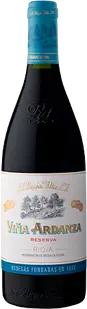
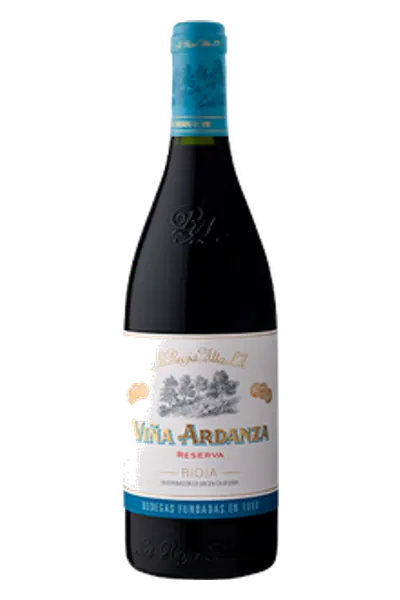
Viña Ardanza Reserva (2016 and 2019) is the house's best-known wine. The current release is about 80% Tempranillo from 30-year-old vines in the Cuesta (Cenicero) and Montecillo (Fuenmayor) vineyards, plus about 20% Garnacha from La Pedriza in Tudelilla, a 40-hectare estate in Rioja Oriental. The Tempranillo spends 36 months in American oak, 20% of it new, with six racks by hand.
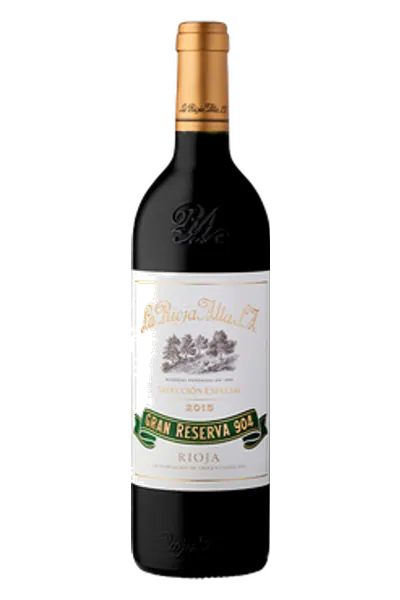
Gran Reserva 904 Selección Especial 2015. The 904 is about 90% Tempranillo from Villalba, Briñas and Rodezno, with 10% Graciano from Montecillo, aged four years in the house's own American oak barrels. The house's own timeline marks the first Selección Especial as a milestone in the 904's history.