History
Roda is young by Rioja standards. The Rotllant Daurella family came to Rioja in the late 1980s wanting to make something new, and founded the bodega in 1987. They built it on a balcony above the river Ebro in Haro's railway station quarter. It sits on top of a 19th-century tunnel cellar, a "calado", where growers once stored wine to send by train to Bordeaux while phylloxera was destroying the French vineyards. The winery has been extended four times, in 1991, 1996, 2000 and 2018.
In 2009 the group went into partnership with the Balbás brothers, local growers, to found Bodegas La Horra in Ribera del Duero. A new La Horra winery, designed by the architect Carme Pinós, opened in 2025.
The vineyard and winemaking
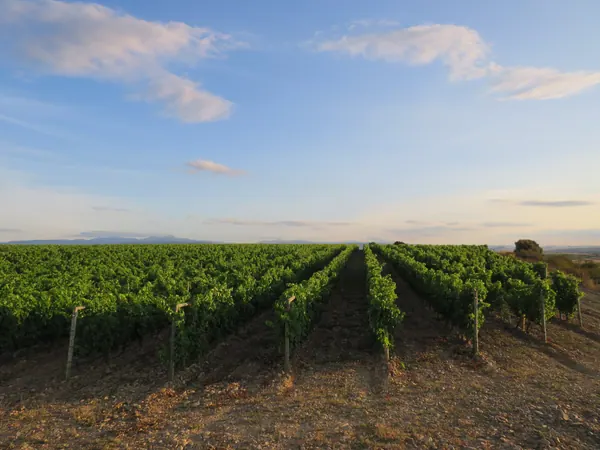
Roda picks from about 20 plots of old bush vines, over 30 years old, around Haro. Yields are limited to about 1.5 kilos per vine. The vineyards sit where Atlantic, Mediterranean and continental climates meet, at the gap the Ebro cuts through the Obarenes mountains. Each year only the best plots are used, and Roda never blends in wine from other vintages or buys wine in.
Everything is fermented with wild yeasts in French oak vats, one plot per vat, and aged only in French oak. Roda built its own "bioclimatic" room for the malolactic fermentation in barrel. In winter a large north window is opened to let the cold air in, which settles the wine naturally. A solar system heats and cools the winery and dries out the old calado. Roda also runs research projects on Tempranillo and Graciano clones and on adapting to climate change.
After about a year in barrel, each plot is tasted and sent either to RODA, for the red-fruited plots, or to RODA I, for the black-fruited ones. Both are released as Reservas after at least three years between barrel and bottle.
Wines we stock
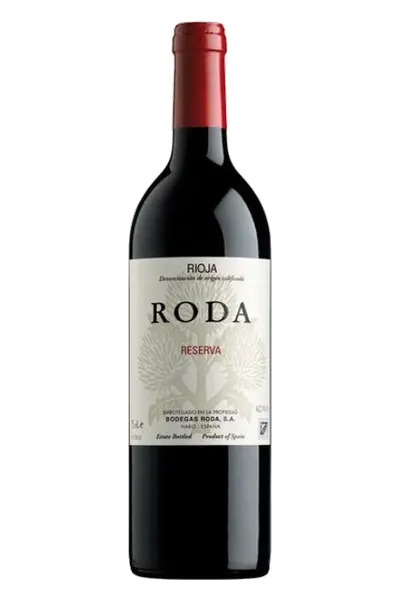
Roda Reserva 2017/18. Red-fruited and fresh, mostly Tempranillo with some Garnacha and Graciano. The current release spends 14 months in French oak (40% new) and 20 months in bottle. Before 2002 this wine was called RODA II.
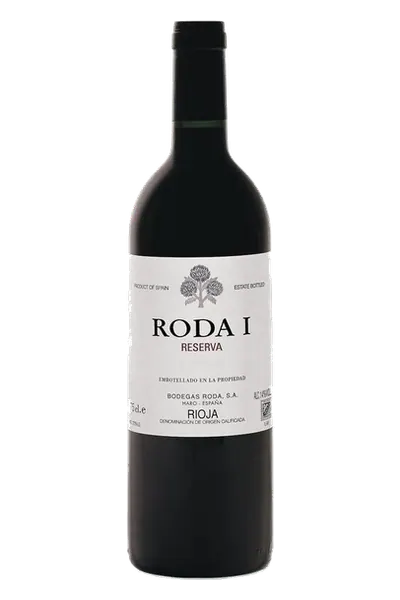
Roda I Reserva 2017/18, in a wooden case. Black-fruited and deeper, aged 16 months in French oak (50% new) and 20 months in bottle.
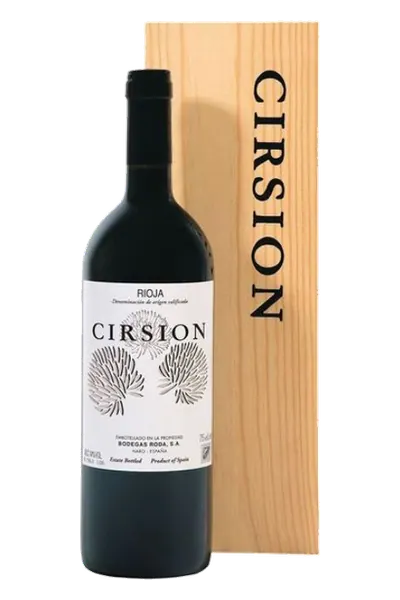
Cirsion 2016, 2017 and 2018, in a wooden gift case. In 1995 Roda noticed that a few individual vines gave grapes that already tasted like wine. The first Cirsion was made in 1997 and not sold. Each vintage the team walks the vineyards picking these grapes, about one in a thousand. Cirsion gets just 8 months in new French oak.