Léoville Barton and Langoa Barton
Saint-Julien, Bordeaux. In the Barton family since 1821 and 1826.
History
Thomas Barton left Ireland and arrived in Bordeaux in 1725, where he set up as a wine merchant. He never bought vines in France. Under the old Droit d'Aubaine, everything a foreigner owned in France went to the Crown when he died, so he put his money into Ireland instead.
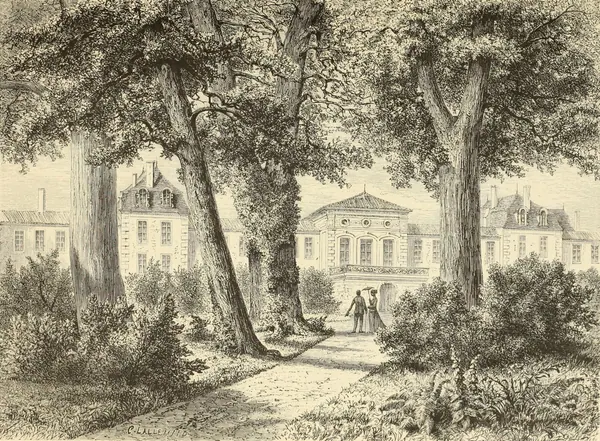
His grandson Hugh was the first Barton to own a vineyard. Hugh and his wife Anna were imprisoned during the Revolution in 1793 and freed that December. His merchant business recovered well enough that in 1821 he bought Château Langoa, built in 1758 by Monsieur de Pontet, and renamed it Langoa Barton. In 1826 he bought a quarter of the old Léoville estate, which had broken up after the Revolution and an inheritance fight. He bought only the vineyards. He already had a cellar at Langoa, so Léoville Barton has been made there ever since and has no château of its own.
Both were already Barton property when they were classified in 1855. The family says that, with the owners of Mouton Rothschild, it's the longest standing family of winemakers in Bordeaux.
Ronald Barton arrived in Bordeaux in 1924 and nursed the vineyards back after the Second World War. Anthony Barton, his nephew, born in Ireland in 1930, came to Bordeaux in 1951 and inherited both estates in 1983. He died in January 2022, aged 91. His daughter Lilian joined him in 1978 and now runs the properties and the family merchant company. Her daughter Mélanie is an oenologist and technical director at the family's third estate, Château Mauvesin Barton in Moulis, and takes part in the big vineyard decisions at Léoville and Langoa. Her son Damien is also involved.
Grapes, vineyards and winemaking
Léoville Barton's 50 hectares sit on one of the best outcrops of Garonne gravel in Saint-Julien, facing the Gironde, over a clay subsoil that evens out the swings of each vintage. The vines average 40 years old, the oldest plot dates from 1953, and density is kept at 9,100 vines a hectare. About 120 people pick by hand every year. The wine is fermented in temperature controlled wooden vats and aged for 18 months in French oak, 60% new. It's racked every three months by candlelight, and fined with three to six fresh egg whites per barrel.
Langoa Barton's 20 hectares are on quaternary gravel over clay, close to the river, which keeps it mild and helps the grapes ripen early. The vines average 37 years old. Langoa's gravity vat house, with wooden vats, was built in 2021.
For both wines, the family, the technical director and the consultant Eric Boissenot taste every batch and settle the blend by the end of January. Bottling is at the château in June.
Farming and how it's run today
The estates are HVE 3 certified. No weedkillers have been used since 2010. The soil is ploughed instead, and fed with the estate's own compost and organic fertiliser. About 12 hectares are farmed without synthetic products, and 80 hectares of meadow and woodland surround the vines. Pests are handled with pheromone confusion. Ties are wicker and staples are biodegradable. On two of the three family estates, cardboard has replaced wooden cases.
Wines we stock
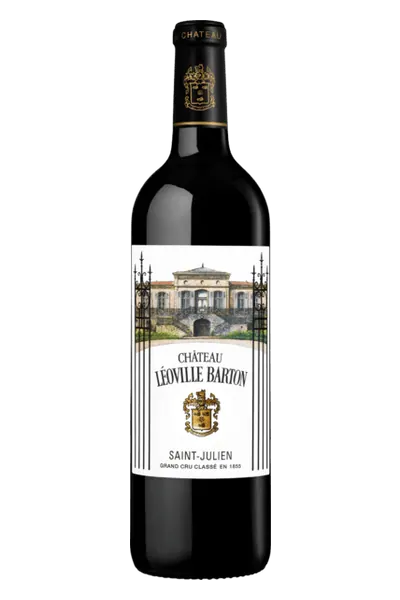
Château Léoville Barton 2006, Second Growth, in its original wooden case. The grand vin, mostly Cabernet Sauvignon from the gravel by the Gironde.
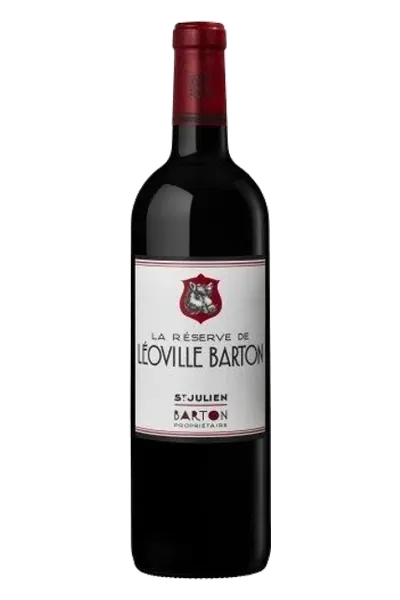
La Réserve de Léoville Barton 2015 is Léoville Barton's second wine, from the same vineyards and cellar.
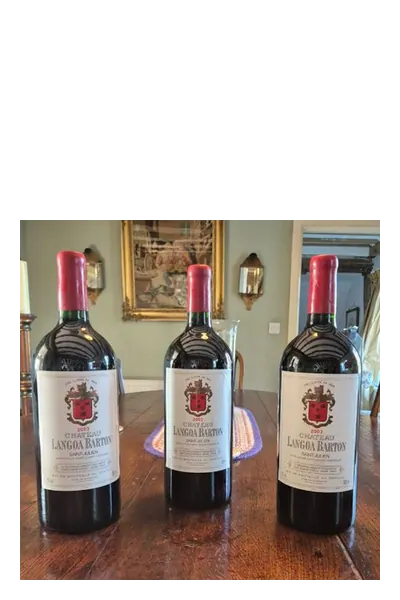
Château Langoa Barton 2003, Third Growth, in double magnum. Langoa has more Merlot than Léoville, which usually makes it a little softer and earlier to drink.