History
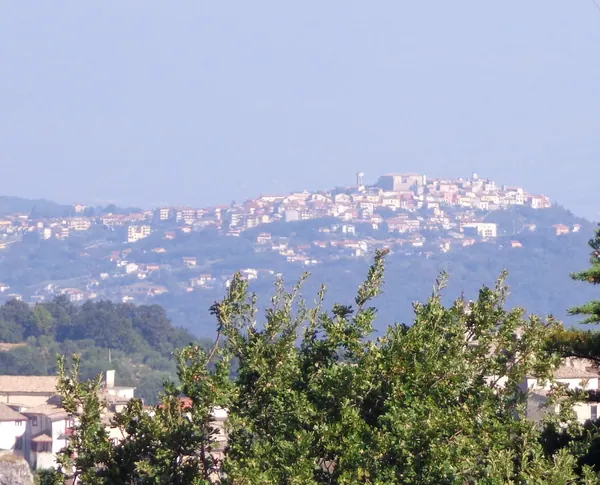
The estate is named after Tony Fink's mother. Elvira came from Irpinia and emigrated to London, where she married an Austrian, Arturo Fink. Tony was born in London. Years later his parents moved back to Italy for a quieter life, and Tony built a winery near their new home, with a view that reaches the castle at Taurasi.
He bought the first land in 2010 on the slopes of Montemiletto, at about 450 metres. The Italian wine site Doctorwine says the ground had to be cleared of boulders and debris from old eruptions of Vesuvius and Vulture before the first vines went in, and the stones were used to build the cellar. Tony named the estate after his mother. His daughter Sara runs it, splitting her time between London and Italy.
Grapes, vineyards and winemaking
The vineyards are in four villages. Montemiletto is planted with Aglianico. The others are in Lapio, Montefusco and Santa Paolina, the heartlands of Fiano and Greco. Together that's about 10 hectares. The soils are volcanic.
Irpinia is high and inland for southern Italy. The estate's wine educator told the UK trade magazine The Buyer that the height, the cold nights and the winds coming off the Balkans and the sea keep the grapes fresh and slow the ripening. The whites spend a long time in steel and then in bottle before release. The Falanghina usually gets about five months on its lees.
Farming and how it's run today
Doctorwine says sustainability is central to the estate, with a limited spraying programme and no insecticides, herbicides or synthetic fertilisers.
Wines we stock
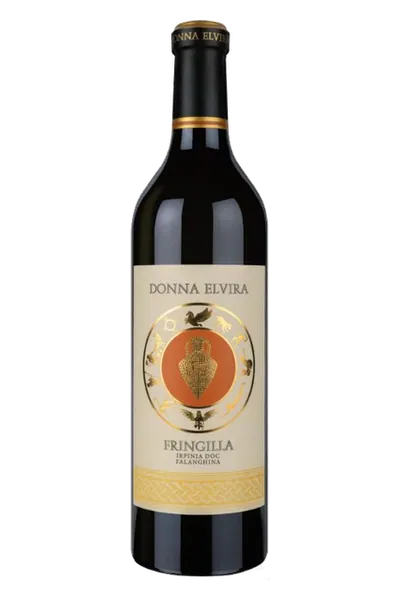
Fringilla Falanghina, Irpinia DOC is the estate's Falanghina. Its wine educator says Falanghina gets compared to Pinot Grigio but has more flavour and the acidity to work with food. About five months on lees, then a few months in bottle.
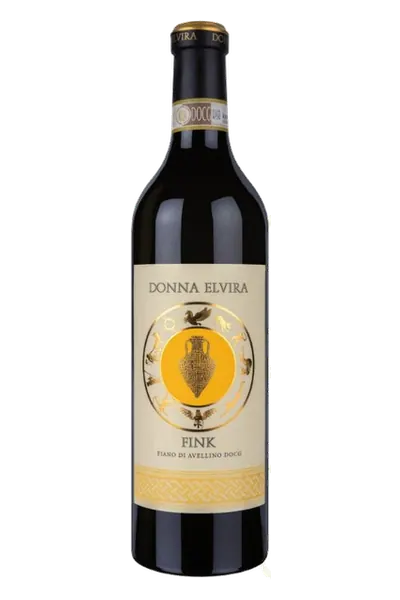
Fink Fiano di Avellino DOCG carries the family name. Fiano from Irpinia's volcanic soils tends to have more acidity and less of the waxy weight it can have elsewhere.
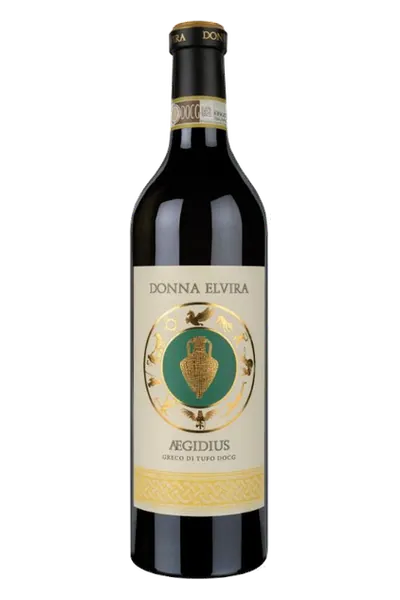
Aegidius Greco di Tufo DOCG is the Greco. The tufa soils of Greco di Tufo give it a salty, stony edge. UK buyers tasting it for The Buyer singled out that salinity, and one called it a wine for oysters and shellfish.