Simon Verry founded the house in Beaune in 1750 and the Chanson family took over in 1847. The Bollinger family group bought it in 1999.
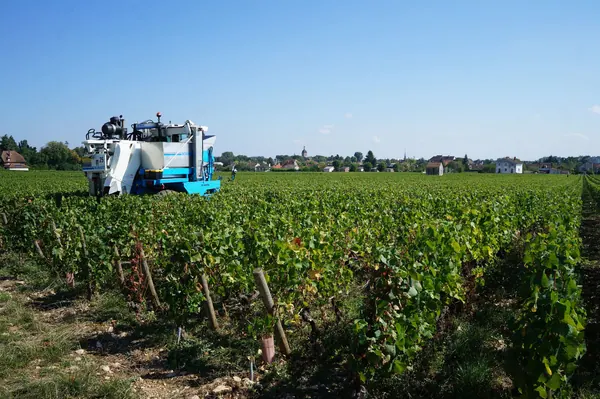
It farms 88 hectares: 43 in the Côte de Beaune, from Corton to Santenay, and 45 in Mercurey and Rully, added in 2023. Two thirds is Pinot Noir, the rest Chardonnay and a little Aligoté. The Côte de Beaune vines are certified organic from the 2024 vintage.
The wine ages in the Bastion, a tower from Beaune's old town walls built between 1519 and 1524, with walls eight metres thick. Nearly 2,000 barrels sit inside and every one is still moved by hand. The reds see no more than 25% new oak and are bottled unfiltered.
The area
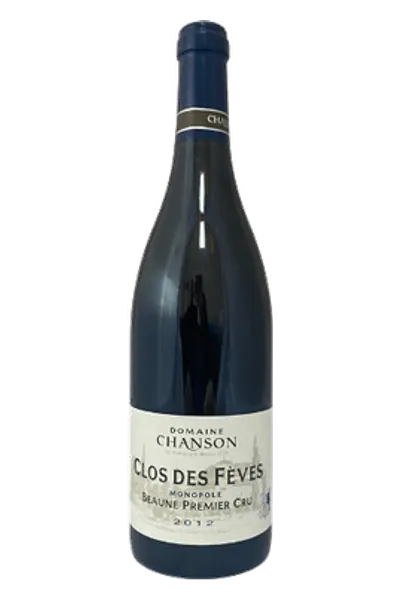
Chanson's 43 hectares in the Côte de Beaune sit in Beaune, Chassagne-Montrachet, Corton, Puligny-Montrachet, Santenay, Savigny-lès-Beaune and Pernand-Vergelesses. The domaine calls Beaune “the historic cradle of the Beaune Premier Cru appellation”, and it is home ground. The best-known holding is the Clos des Fèves, a Beaune Premier Cru that Chanson owns outright as a monopole. The domaine says its vines average 40 years old.
The Côte Chalonnaise vines are mostly in Mercurey and Rully. Trade press reported the 2023 move as the Bollinger group buying Château d'Etroyes, an estate in Mercurey and Rully. It more than doubled the size of the domaine, which is why the Mercurey and Rully wines we stock carry the Chanson name.
History
Simon Verry's widow bought the Bastion in 1794, and the domaine still ages its wine there today. Alexis Chanson, a partner in the business, added the tower's third and fourth floors in 1826. Once the Chanson family took over from the Verrys, the house carried their name, and it has done ever since.
A modern winery was built in 1972. In 1999 Philippe Marion-Chanson sold the domaine to the Bollinger group, having found in Christian Bizot of Bollinger a shared philosophy. New parcels in Chassagne-Montrachet and Puligny-Montrachet followed in 2007, giving Chanson a foothold among the great white wine villages.
Vincent Avenel became chief executive in 2017. The Côte Chalonnaise expansion came in 2023, the first certified organic vintage in 2024, and Thierry Berger took charge of the domaine in September 2025.
The Bastion
The Bastion is what visitors remember. A stone salamander, the emblem of François I, dates the work on its two original floors. The tower was first nicknamed the “Tour des Filles”, after the working girls who lived nearby, and later renamed the Bastion de l'Oratoire after the chapel next door. By the French Revolution there were already over 100,000 bottles inside.
The thick stone walls keep the temperature and humidity steady all year. The first three floors hold the reds, one vintage per floor, and the top floor holds the whites. The spiral layout means no machine can get in, so the barrels are moved and stacked by hand. The building and roof were fully renovated in 2019.
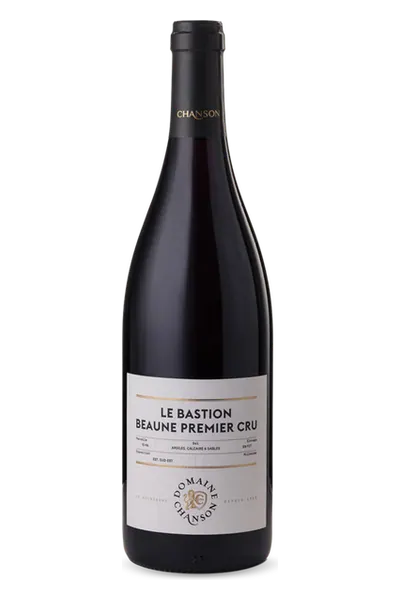
The Bastion also gives its name to a wine. Beaune 1er Cru “Le Bastion” is a blend of several of Chanson's Beaune Premier Cru parcels. Hachette puts it at seven Premier Crus, and Burgundy Report describes it as the parcels too small to bottle on their own. We stock both the red and the white.
Farming and winemaking
Chanson began converting to organic farming in 2021, and the Côte Chalonnaise vines started their own conversion in 2024. The vineyard work is led by Justine Savoye, an agronomist and oenologist who joined in 2016.
In the cellar, Chanson vinifies each plot separately and decides how much to destem cru by cru and vintage by vintage. The reds are sorted by hand, given a long cold soak before fermentation, then aged 14 to 20 months in French oak. Chanson points out that bottling them unfiltered is unusual in Burgundy.
The whites are pressed gently, fermented in barrel and aged 8 to 18 months on their lees in 15 to 20% new oak. The lees are stirred only when needed. Chanson works with around five main coopers and is experimenting with glass globes and barrel-shaped steel tanks to keep freshness as summers get hotter.
How it's run today
Chanson calls itself a family-spirited house within the family-owned Bollinger group, alongside Bollinger, Ayala, Langlois-Chateau and Domaine Hubert Brochard. Wine decisions go through a “Chanson Style Committee” that tastes together across management, vineyard, cellar and sales.
In 2023 it became the first wine estate in France to be certified a Great Place To Work, with a staff score of 95 out of 100 against a French average of 56.
- Founded
- 1750
- Owner
- Bollinger family group
- Vineyards
- 88 hectares
- Grapes
- Pinot Noir, Chardonnay, Aligoté
- Run by
- Thierry Berger, since September 2025
- Head of cellar
- Lucy Auger, since 2020
- Head of vineyard
- Justine Savoye, since 2019
- Farming
- Certified organic in the Côte de Beaune from the 2024 vintage; Côte Chalonnaise vines converting
- Address
- 12 Rue Paul Chanson, 21200 Beaune
Wines we stock
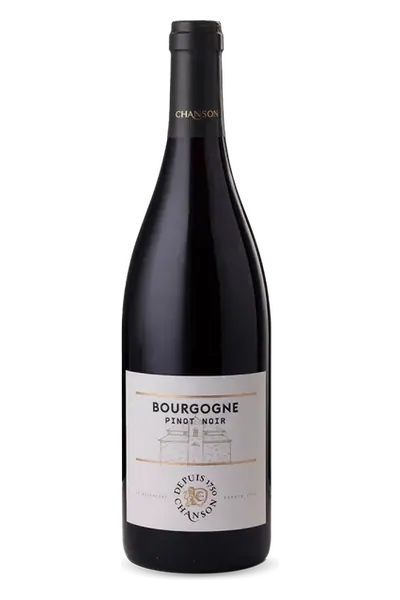
Red Burgundy
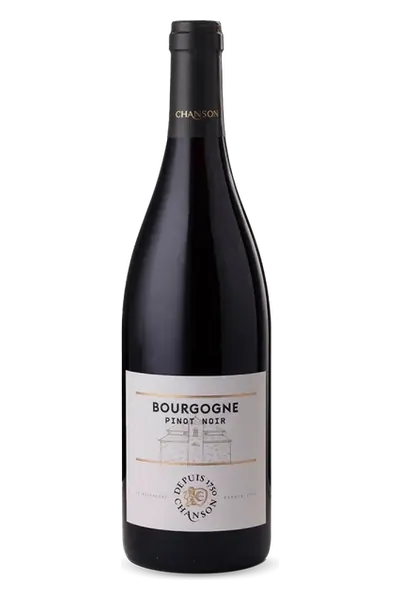
Le Bourgogne Pinot Noir 2022, Chanson
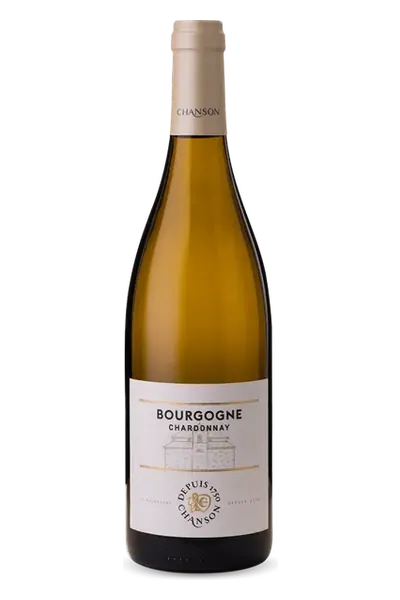
White Burgundy
Le Bourgogne Chardonnay 2023, Chanson
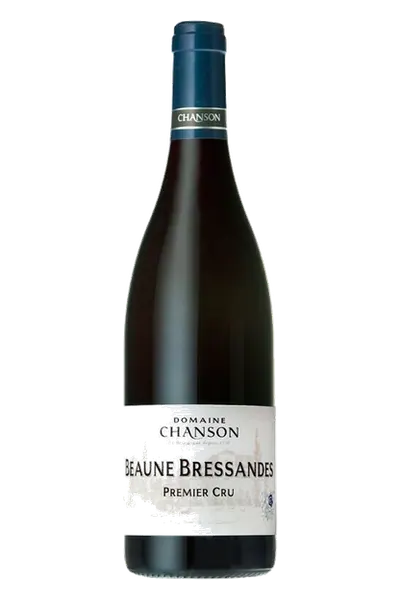
Red Burgundy
Beaune 1er Cru Bressandes 2011, Domaine Chanson
Red Burgundy
Beaune 1er Cru Bastion 2017, Domaine Chanson
Red Burgundy
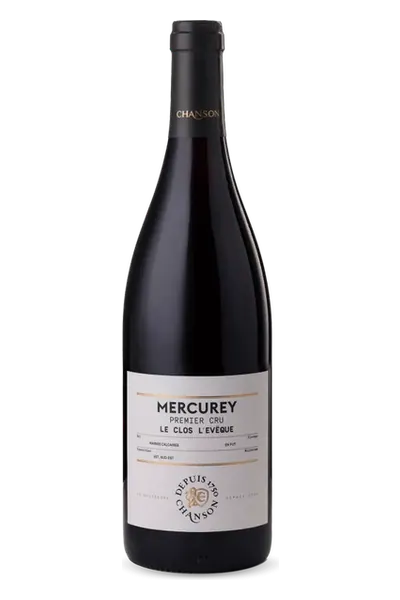
Mercurey 1er Cru le Clos l'Eveque, Chanson
Red Burgundy
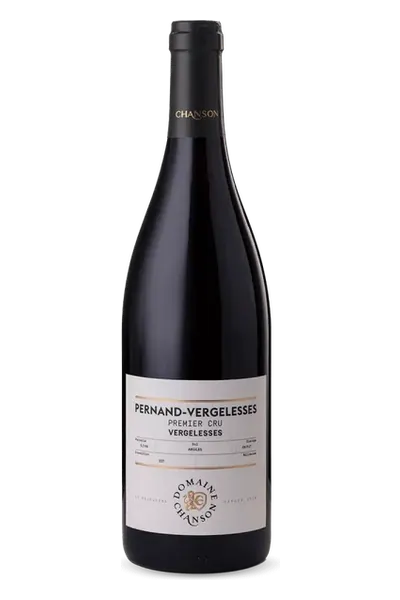
Pernand-Vergelesses 1er Cru Vergelesses 2017, Domaine Chanson
Large Format
Le Bourgogne Pinot Noir 2023, Chanson, Magnums
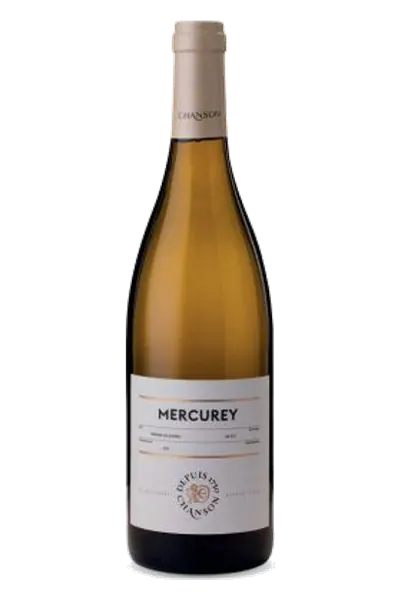
White Burgundy
Mercurey Blanc 2022, Chanson
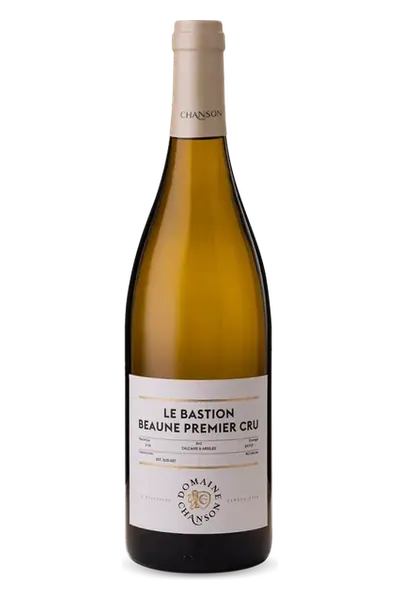
White Burgundy
Le Bastion Beaune 1er Cru Blanc 2019, Domaine Chanson
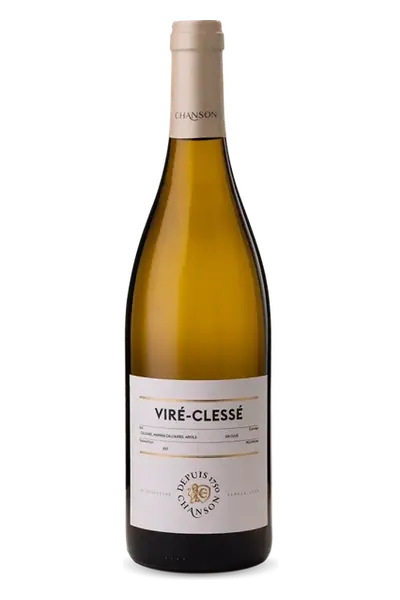
White Burgundy
Vire-Clesse 2023, Chanson
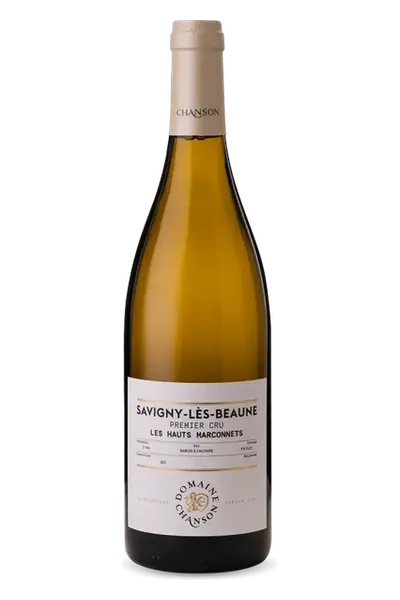
White Burgundy
Savigny-les-Beaune Blanc 1er Cru Hauts Marconnets 2022, Domaine Chanson
White Burgundy
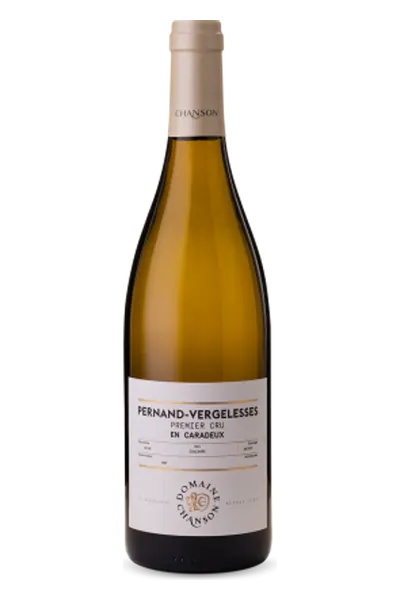
Pernand-Vergelesses 1er Cru "En Caradeux" 2022, Domaine Chanson
White Burgundy
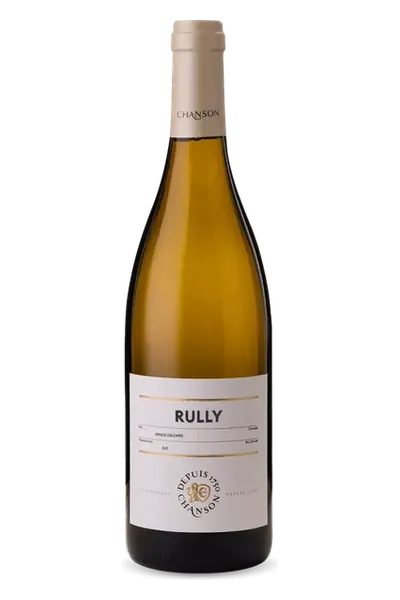
Rully 2022, Chanson
White Burgundy
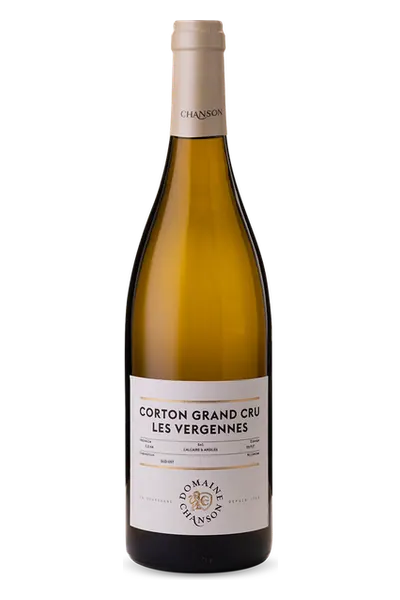
Corton-Vergennes Grand Cru 2018, Domaine Chanson
White Burgundy
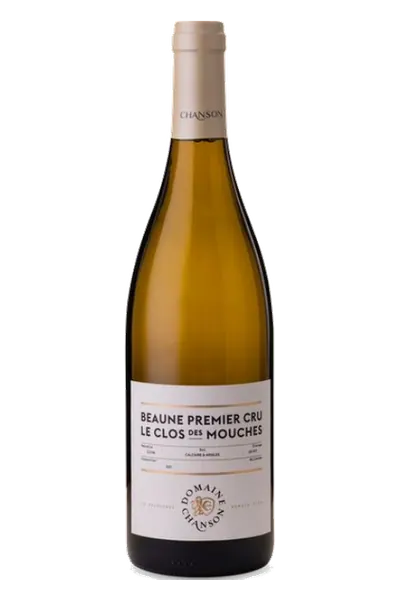
Beaune 1er Cru "Clos des Mouches" Blanc 2018, Domaine Chanson
Large Format
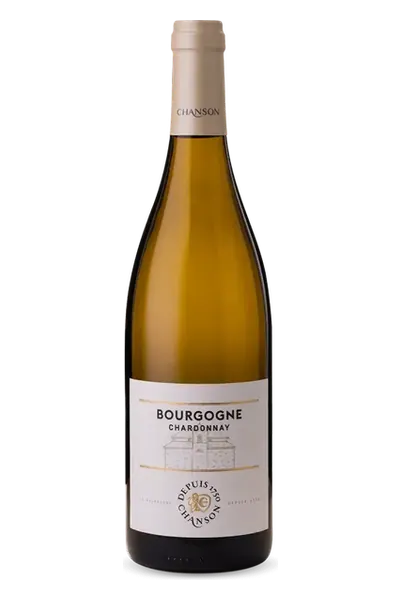
Le Bourgogne Chardonnay 2023, Chanson, Magnums
Red Burgundy
Beaune 1er Cru Clos des Feves Monopole 2012, Domaine Chanson
Red Burgundy